June 15, 2023
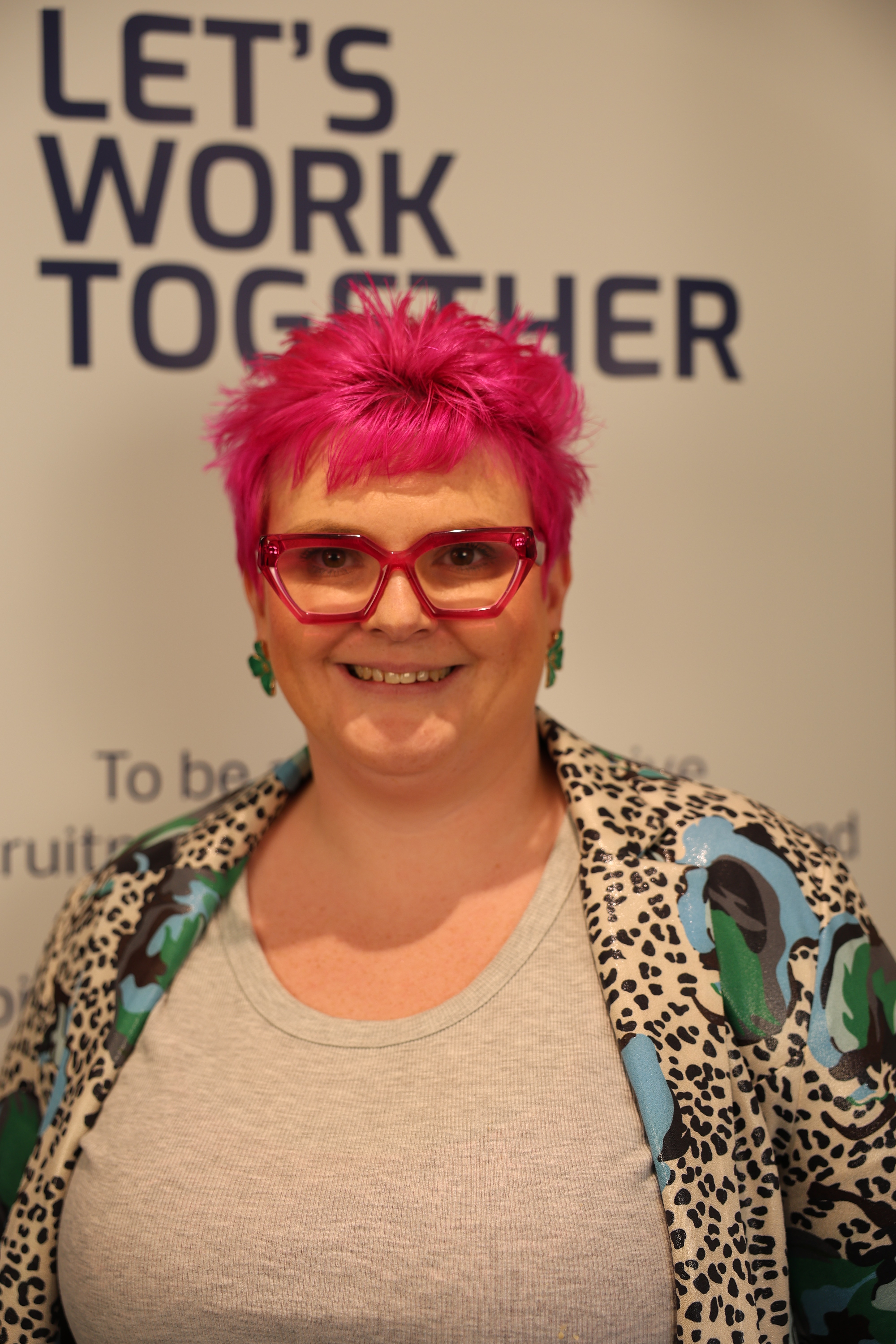
Hi, my name is Charlotte Durham and I’m a PR and Communications Executive at Pertemps Network Group.

I’m proud to say that I have dyslexia and dyscalculia, which hasn’t always been easy throughout my career and education.
Despite knowing at a young age that I had dyslexia and dyscalculia, it wasn’t until I started university that I was officially diagnosed. Schools in England are failing to diagnose at least 80% of pupils who have dyslexia, according to The British Dyslexia Association.
Funding for support has been routinely cut or removed to meet budget demands. I’m a prime example of this and, despite requesting to be diagnosed by my parents in primary school, nothing came of it.
It was hard getting older and going through education not fully understanding what I had, why I had it and why I found things so difficult to comprehend. I just began to think I was stupid and was constantly on an emotional roller coaster, so it was refreshing when I was finally diagnosed.
It’s never too late to get diagnosed and seek the support you need, though. My mum was extremely persistent and supported me everyday after school to do my homework or revision, but I wasn’t getting the support I needed from my teachers.
GCSE maths is a prime example. It took me two years and three attempts to get at least a C in my exams, with the support of a private tutor. And this wasn’t just for the purposes of getting into university, but something I was determined to do, to prove to myself that I could do it despite my dyscalculia.
So, it’s not been easy to say the least. But since my diagnosis, things have got easier. I began to truly understand my limitations and develop strategies to cope and deal with it, including getting access to resources like Dragon Dictate, Claro Read and Claro View.
But during my career I have still experienced ‘naivety’ when it’s come to discussing my dyslexia. Unfortunately, some traditional and outdated stereotypes of dyslexia are still used today. Now, English has always been my strong point, but hasn’t stopped people thinking or asking, “How can you do your job if you have dyslexia? I thought people can’t read or write if they have dyslexia.”
Shock. I’m a PR and Communications Executive and I have dyslexia!
This just shows how important education is. A lack of understanding and knowledge means that tackling these negative attitudes is even more difficult. But it’s important to encourage people to ask questions so we can remove negative stereotypes. It’s important for everyone to lend a voice to this cause and support each other in raising awareness of learning disabilities and challenging the negative attitudes.
I’m grateful for my team and colleagues at Pertemps Network Group for all the support they have given and continue to give.